শপিং কার্ট
আপনার কার্ট খালি!
আপনার কার্ট খালি!
ব্যবহারের শর্তাবলী: এই শর্তাবলী ব্যবহার করে আপনি আমাদের নীতিমালা মেনে নিচ্ছেন। বিস্তারিত বিবরণ এখানে দেওয়া হয়েছে, যা পড়ে সিদ্ধান্ত নিতে পারবেন।
এই প্রতিবেদনে বিস্তারিত তথ্য ও বিশ্লেষণ দেওয়া হয়েছে। পাঠকরা এখান থেকে গুরুত্বপূর্ণ অনুষঙ্গ সম্পর্কে ধারণা পেতে পারেন, যা বিষয়টি বুঝতে সাহায্য করবে।
এই প্রতিবেদনে বিষয়টির বিস্তারিত তথ্য ও বিশ্লেষণ দেওয়া হয়েছে, যা পাঠকদের সম্পূর্ণ ধারণা দেবে।
এই প্রতিবেদনে বিস্তারিত তথ্য ও বিশ্লেষণ দেওয়া হয়েছে। পাঠকরা এখান থেকে গুরুত্বপূর্ণ অনুষঙ্গ সম্পর্কে ধারণা পেতে পারেন।
এই প্রতিবেদনে বিষয়টির বিস্তারিত তথ্য ও বিশ্লেষণ দেওয়া হয়েছে, যা পাঠকদের সম্পূর্ণ ধারণা দেবে।
এই প্রতিবেদনে বিস্তারিত তথ্য ও বিশ্লেষণ দেওয়া হয়েছে। পাঠকরা এখান থেকে গুরুত্বপূর্ণ অনুষঙ্গ ও প্রেক্ষাপট সম্পর্কে ধারণা পেতে পারেন, যা বিষয়টিকে আরও স্পষ্টভাবে বুঝতে সাহায্য করবে।
এই প্রতিবেদনে বিষয়টির বিস্তারিত তথ্য ও বিশ্লেষণ দেওয়া হয়েছে, যা পাঠকদের সম্পূর্ণ ধারণা দেবে।
এই প্রতিবেদনে বিস্তারিত তথ্য ও বিশ্লেষণ দেওয়া হয়েছে। পাঠকরা এখান থেকে গুরুত্বপূর্ণ অনুষঙ্গ ও প্রেক্ষাপট সম্পর্কে ধারণা পেতে পারেন।
এই প্রতিবেদনে বিষয়টির বিস্তারিত তথ্য ও বিশ্লেষণ দেওয়া হয়েছে, যা পাঠকদের সম্পূর্ণ ধারণা দেবে।
আমাদের শর্তাবলীতে আপনি সম্মত? সাইন আপ
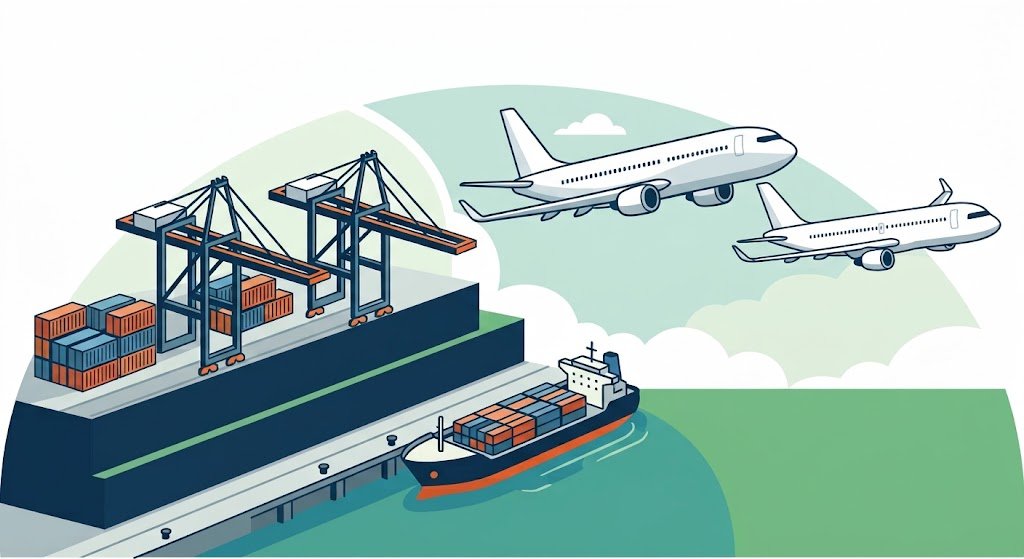
Three global corporations have secured major deals with Bangladesh over a six-year period following years of negotiations and diplomatic engagements involving three successive governments.
Dubai-based DP World signed a 15-year concession agreement on October 8 to operate and maintain the New Mooring Container Terminal at Chattogram Port.
Boeing secured orders for 25 aircraft from Biman Bangladesh Airlines under two agreements signed in April and September, while European aircraft manufacturer Airbus secured an order for 10 aircraft on October 7.
The three deals followed different paths, but each involved more than commercial negotiations.
DP World’s bid advanced through a government-to-government framework. Boeing’s campaign to sell aircraft began under the Awami League government but gained momentum during the interim government led by Professor Muhammad Yunus, alongside negotiations with the United States over tariffs and trade. Airbus, meanwhile, received sustained diplomatic backing from European governments.
The agreements illustrate how commercial diplomacy can shape major business decisions, with foreign governments and multinational corporations working through political, diplomatic and institutional channels to secure long-term commercial opportunities.
The negotiations also spanned three successive governments in Bangladesh — the Awami League government, the interim government and the BNP government, which took office in February 2026.
DP World: a seven-year journey to the port terminal
The path to DP World’s latest agreement began in 2019, when Bangladesh and Dubai established a joint platform to identify and advance public-private partnership projects.
A memorandum of understanding was signed on February 17, 2019, and the first Bangladesh-Dubai joint public-private partnership platform meeting was held in Dhaka on September 1 that year.
The meeting was attended by officials from Bangladesh’s Public-Private Partnership Authority and representatives of the Dubai government and DP World. The platform was intended to identify investment opportunities in several sectors, including ports, transport and logistics.
The New Mooring Container Terminal at Chattogram Port subsequently emerged as one of the proposed projects.
The process gathered momentum in 2023. At the third Bangladesh-Dubai joint PPP platform meeting, held in Dhaka on June 12, the Chittagong Port Authority presented the NCT and Bay Container Terminal 2 as potential projects. UAE officials and DP World executives expressed keen interest. DP World formally confirmed its acceptance of the proposed projects in July 2023.
The project received in-principle approval in March 2023, and a project delivery team was constituted in March 2024. A further memorandum of understanding was signed in April 2024 as the process moved towards implementation.
The political transition in Bangladesh in August 2024 did not end the company’s pursuit of the project. The UAE ambassador and DP World representatives met the chief executive of the PPP Authority on September 29, 2024.
The company’s engagement continued under the interim government. In January 2025, DP World chairman Sultan Ahmed bin Sulayem met chief adviser Muhammad Yunus on the sidelines of the World Economic Forum in Davos and expressed interest in investing in Bangladesh’s port sector. The two met again in April 2025 to discuss the project.
The company also pursued the project through the Bangladesh-Dubai government-to-government platform and the relevant port and investment authorities. However, the agreement could not be signed during the interim government’s tenure amid mass protests against the move and the need to review a last-minute revenue-sharing proposal.
DP World continued negotiations after the BNP government took office in February 2026. The process culminated on October 8, when the Chattogram Port Authority and DP World signed a 15-year concession agreement covering the NCT and its overflow container yard.
Under the agreement, the port authority retains ownership of the terminal, while DP World receives the right to operate and maintain it.
Invest Bangladesh said the agreement included an upfront fee of about Tk 600 crore and a commitment to invest more than Tk 1,800 crore over the first 10 years, alongside performance targets and oversight arrangements.
Boeing: a campaign that began under the Awami League
Boeing’s campaign to sell aircraft to Biman Bangladesh Airlines began well before the interim government’s decision to buy American planes. The company had been pressing its case during the Awami League government, when Dhaka-Washington relations were under strain.
In December 2021, the United States imposed sanctions on the Rapid Action Battalion. In May 2023, Washington announced a visa policy targeting individuals believed to be responsible for undermining Bangladesh’s democratic election process.
Boeing officials held a press conference in Dhaka to argue that Biman should keep its fleet and operations simple by continuing to use Boeing aircraft. The event came just a week after Biman’s board approved in principle a proposal to purchase 10 aircraft from European manufacturer Airbus on May 3, 2023.
David Schulte, Boeing’s managing director for commercial marketing in Asia-Pacific and India, said the company was in continuous discussions with Biman, Bangladesh’s state-owned airline.
Boeing, which had been supplying aircraft to Biman for years, argued that adding Airbus aircraft would increase costs because the airline would need different spare parts, tooling, engines and pilot-training arrangements.
The company’s campaign continued in 2024. On February 6, the then US ambassador to Bangladesh, Peter Haas, met civil aviation and tourism minister Muhammad Faruk Khan in Dhaka and confirmed that Boeing had submitted a proposal to sell aircraft to Biman.
Haas said Washington wanted Boeing to be included in the purchasing process and called for transparent competition.
Faruk Khan’s statement indicated that Boeing’s proposal was being considered but did not suggest that the government had abandoned its earlier commitment to Airbus.
In May 2024, Boeing stepped up its public campaign. Ryan Weir, the company’s vice-president for commercial sales and marketing in India and South Asia, said Boeing had had a proposal on the table for years and wanted it evaluated before a final decision was made.
Boeing’s intervention followed Biman’s evaluation of an Airbus proposal to supply aircraft. The competition was also being shaped by diplomatic engagement from Europe.
French president Emmanuel Macron announced during his visit to Dhaka in September 2023 that Bangladesh had committed to purchasing 10 Airbus A350 aircraft. The French embassy subsequently sought the government’s support to expedite negotiations between Airbus and Biman.
Peter Haas met Faruk Khan again on July 7, 2024. The minister told him that Biman’s evaluation committee was examining proposals from both Boeing and Airbus and that the final decision would depend on its recommendation.
Media reports show that Boeing and the US ambassador actively sought to advance the American manufacturer’s proposal during the Awami League government. The campaign, however, did not result in a Boeing purchase before the government fell in August 2024 following a mass uprising.
The direction changed under the interim administration led by Muhammad Yunus, amid renewed negotiations with Washington over trade and tariffs. The two countries signed the Agreement on Reciprocal Tariffs on February 9, 2026, which included a commitment to purchase 14 Boeing aircraft alongside other proposed purchases of American goods.
On April 30, less than two months after the BNP government took office, Biman Bangladesh Airlines signed an agreement to buy 14 aircraft from Boeing. It also signed a supplementary agreement with the company on September 23 for another 11 aircraft.
Airbus: a long campaign and a European diplomatic push
Airbus’s path to a deal was longer and less straightforward, as the European manufacturer had been seeking a place in Biman’s fleet well before the Boeing orders of 2026.
The campaign became particularly visible in 2023, when European diplomatic missions supported Airbus’s proposal. At the Bangladesh Aviation Summit in March that year, British and French representatives promoted the European manufacturer’s offer.
On May 5, 2023, Salman F Rahman, industry and investment adviser to the then prime minister, and the UK’s investment minister, Lord Dominic Johnson, signed a joint communique in London outlining cooperation in the aviation sector, including the potential purchase of passenger and cargo aircraft from Airbus.
French president Emmanuel Macron, during his visit to Dhaka in September 2023, announced that Bangladesh had committed to purchasing 10 Airbus A350 aircraft. The announcement did not immediately translate into a purchase agreement, however.
In October 2023, the French embassy sought the Bangladesh government’s support to expedite negotiations between Airbus and Biman. Airbus continued to pursue the opportunity in subsequent years. Its representatives held discussions with Bangladeshi officials, while European diplomats continued to advocate for the company’s proposal.
The campaign gained renewed momentum in 2025. Airbus executive vice-president Wouter van Wersch met the then chief adviser, Professor Muhammad Yunus, in London in June and visited Dhaka in November.
A roundtable with European envoys provided another platform for promoting the company’s offer.
European officials continued to press their case. In July, European representatives backed Airbus’s proposal in discussions with Bangladeshi aviation authorities. In late September, France again called for a level playing field as Biman moved ahead with its Boeing purchases.
Speaking at a DCAB Talk in Dhaka on September 22, French ambassador Jean-Marc Séré-Charlet described the negotiations over Airbus as a test of Dhaka’s appetite for a long-term partnership with Europe.
He also compared Bangladesh’s exports to the United States and Europe, saying that 48 per cent of Bangladesh’s garment exports went to Europe, compared with 17 per cent to the United States.
Airbus eventually secured an order for 10 aircraft from Biman, giving the airline a mixed Boeing-Airbus acquisition plan.
Civil aviation and tourism minister M Rashiduzzaman Millat has said that the government is pursuing a sustainable mixed fleet and denied that geopolitical influence dictated its aircraft purchases.
Whether the mixed-fleet strategy delivers the intended commercial benefits will depend on how Biman manages the associated operational costs and long-term commitments.